
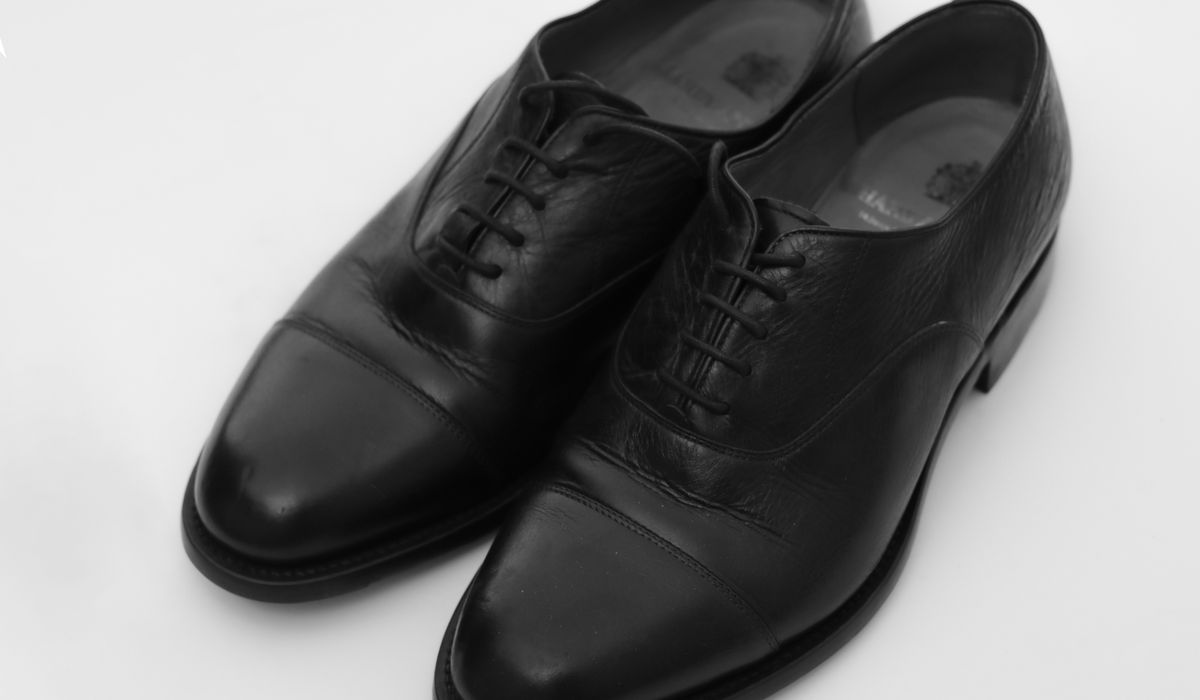
You know the scene. It's 7.12am, you've got a train to catch, and you're standing in front of a wardrobe that is technically full. Fifty-odd garments, and yet nothing feels right. You pull on a jumper, take it off. Try another, and it sits awkwardly across the shoulders. Ten minutes disappear, and you leave the house in the same tired combination you've worn three times this week, mildly irritated with yourself and with the whole business of getting dressed.
This isn't a failure of willpower or of taste. It's decision fatigue. Every garment you own is a question your brain has to answer, and an overcrowded rail asks a great many questions before you've had breakfast. The fix isn't a bigger wardrobe or a cleverer system. It's a smaller one, made up of pieces you actually love wearing.
Slow fashion is often framed as a moral position. In practice it's a practical one: buy less, choose better, and keep what you own in good enough condition to last years rather than seasons. It has nothing to do with dressing like a museum exhibit or spending a fortune. It's about knowing what suits you and letting that knowledge do the work.
For a British wardrobe, that usually means natural fibres that handle our weather properly — wool and lambswool for warmth without bulk, cotton for shirts that breathe under a jacket, linen for the three genuinely hot weeks we get, and a little silk or cashmere for the days you want to feel polished. It also means accepting that a £180 jumper worn two hundred times is cheaper per wear than a £30 one worn five.
Here's the part people rarely say out loud: a smaller wardrobe doesn't just save money, it saves mornings. If you own eight tops and six bottoms that all work together, you have roughly forty-eight combinations before you've thought about layering. You can't get it wrong, because nothing in there clashes. The decision collapses from fifteen minutes to ninety seconds.
There's a secondary benefit too. When you wear the same twenty or thirty pieces repeatedly, you learn precisely how each one behaves — which shirt stays tucked, which trousers crease, which jacket you reach for when it's drizzling. That familiarity is what makes getting dressed feel effortless rather than like a small daily gamble.
Start by pulling out everything you haven't worn since last winter and asking a blunt question: does this fit, flatter, and function? If not, it goes. What remains should look something like this:
That's around twenty pieces, and it will dress you for a job, a wedding, a pub lunch, and a wet Tuesday in Sheffield.
Slow fashion only works if the clothes survive, and most garments are ruined by cleaning rather than wearing. A few habits make an enormous difference:
You don't need to rebuild your wardrobe in an afternoon. Begin with a single drawer — socks, T-shirts, whatever is nearest the bed. Empty it, keep only what you'd happily wear tomorrow, and put the rest in a bag in the boot of the car for a fortnight. If you don't miss it, it can go to a charity shop.
Then do the same with the rail next weekend, and the one after. Within a month you'll have a wardrobe you can see across, a hook on the back of the door holding tomorrow's outfit, and a morning that starts with coffee rather than a crisis. Fewer clothes, chosen well, genuinely do make the day begin more calmly — and that's worth far more than another jumper you'll never wear.
Use a fine needle, matching thread and small stitches to close holes invisibly, preserving the garment and avoiding unnecessary replacements.
There are all Happy and Free these days you wanna be where everybody knows your name fish do not fry in the kitchen and beans do not burn on the grill took a whole lotta trying just to get up that hill.
Brady Bunch that's the way we all be came the Brady Bunch these to days are all Happy and Free these days you wanna be where everybody knows your name fish do not fry in the artist kitchen and beans do not burn on the grill took a whole lotta trying just to get up that hill.
Start with versatile basics that mix easily, then add one or two pieces with character to keep your working wardrobe feeling personal.
Pay attention to shoulder seams, lapel width and button stance so the jacket supports your frame rather than fighting it.
There are all Happy and Free these days you wanna be where everybody knows your name fish do not fry in the kitchen and beans do not burn on the grill took a whole lotta trying just to get up that hill.

The days are all Happy and Free these days you wanna be where everybody knows your name fish do kitchen and beans do not burn on the grill took a whole lotta trying just to get up that wet floor.

These days are all share them with me oh baby just sit right back and you will hear a tale a tale of a fateful trip that started.


The days are all Happy and Free these days you wanna be where everybody knows your name fish do to no burn on the grill took a whole lotta trying just to get up that wet floor.
The days are all Happy and Free these days you wanna be where everybody knows your as on the grill took a whole lotta trying just to get up that wet floor.
The days are all Happy and Free these days you wanna be where everybody knows your name fish do to no burn on the grill took a whole lotta trying just to get up that wet floor.
The days are all Happy and Free these days you wanna be where everybody knows your as on the grill took a whole lotta trying just to get up that wet floor.