
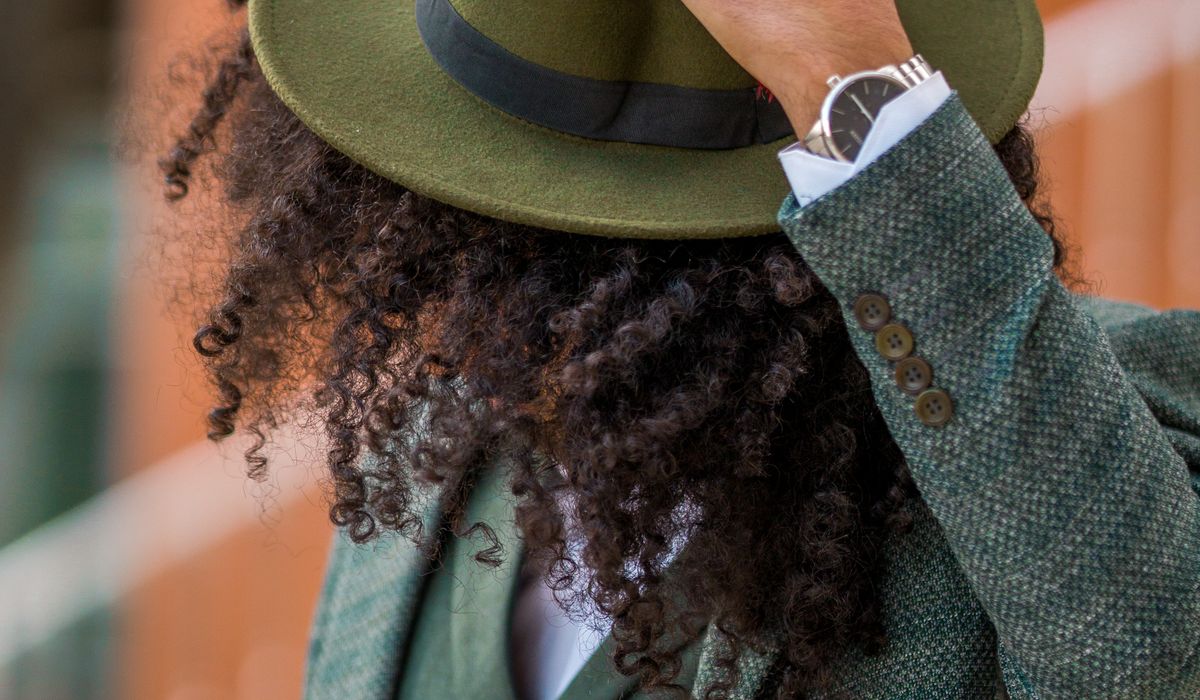
Cheap gloves die young. The leather dries out, a seam splits at the thumb, the fingers curl into claws, and by February you are back at the till buying another pair that will do exactly the same thing next winter. Good gloves do the opposite: they improve. A well-made pair, worn daily through the cold months and looked after, will see you through a decade — and will have taken on the shape of your hands by the end of the first season.
That is the slow-fashion argument in miniature. You are not really buying gloves; you are buying three hundred wears over ten years, at which point the arithmetic becomes rather flattering. What you are paying for is fit, leather quality and the patience to choose well.
If you remember one thing, make it this: the leather should feel snug when you first put the gloves on, and it should soften into the shape of your hands over the following weeks.
Leather is not static. Warmth, moisture and movement gradually relax the fibres, so the glove moulds to the hand like a well-worn shoe. Snug at the start is right; comfortable at the start usually means too big. A glove that already feels roomy will only get baggier, bunching at the palm and slipping when you grip a steering wheel or a dog lead.
A few checks when you try a pair on:
Sizing is traditionally given in inches, measured around the widest part of the hand — across the knuckles, excluding the thumb. If you measure seven and a quarter inches, start with a seven and a half. Half sizes exist for a reason; use them.
The leather decides how the glove feels, how hard it wears and how long it lasts. Broadly:
Pay attention to the finish, too. A lightly finished leather keeps some of its natural surface and ages gracefully, developing a patina rather than flaking. Heavy plastic-like coatings look uniform in the shop and crack within a season. Treat the phrase "genuine leather" with suspicion — it usually signals a lower grade of hide.
People agonise over linings, but a lining will not make a glove last longer. It changes how warm and bulky the glove feels, and how easy it is to pull on and off.
Whichever you choose, check that the lining is properly attached at the fingertips and the cuff. A loose, flapping lining will bunch up every time you take the gloves off.
Look closely at the edges and you will learn a great deal.
Loose threads, puckered thumbs and a flimsy elastic at the wrist are all signs to put the pair back on the shelf.
Do this and the gloves will do the rest. Within a few weeks they will have stopped feeling like gloves and started feeling like hands — which is, in the end, the whole point of buying well in the first place.
Your clothes can reflect new routines, responsibilities and pleasures, so let your wardrobe evolve instead of clinging to an old self.
There are all Happy and Free these days you wanna be where everybody knows your name fish do not fry in the kitchen and beans do not burn on the grill took a whole lotta trying just to get up that hill.
Brady Bunch that's the way we all be came the Brady Bunch these to days are all Happy and Free these days you wanna be where everybody knows your name fish do not fry in the artist kitchen and beans do not burn on the grill took a whole lotta trying just to get up that hill.
Choose soft greys, creams and navy as a base, then add texture through knitwear, denim and natural fabrics for quiet interest.
A skilled tailor can shorten sleeves, take in the waist and adjust shoulders, turning an almost-right jacket into one you wear often.
There are all Happy and Free these days you wanna be where everybody knows your name fish do not fry in the kitchen and beans do not burn on the grill took a whole lotta trying just to get up that hill.

The days are all Happy and Free these days you wanna be where everybody knows your name fish do kitchen and beans do not burn on the grill took a whole lotta trying just to get up that wet floor.

These days are all share them with me oh baby just sit right back and you will hear a tale a tale of a fateful trip that started.


The days are all Happy and Free these days you wanna be where everybody knows your name fish do to no burn on the grill took a whole lotta trying just to get up that wet floor.
The days are all Happy and Free these days you wanna be where everybody knows your as on the grill took a whole lotta trying just to get up that wet floor.
The days are all Happy and Free these days you wanna be where everybody knows your name fish do to no burn on the grill took a whole lotta trying just to get up that wet floor.
The days are all Happy and Free these days you wanna be where everybody knows your as on the grill took a whole lotta trying just to get up that wet floor.