
There is a particular thrill in finding a proper coat in a charity shop. Not a thin, shapeless thing that will pill after a week, but a heavy wool overcoat, a quilted jacket with real horn buttons, or a classic trench that has already survived twenty winters. These pieces exist because someone loved them enough to keep them, and then, for whatever reason, passed them on. Your job is to spot the quality before someone else does. It takes a little practice, but once you know what to look for, you will never go back to fast fashion coats again.
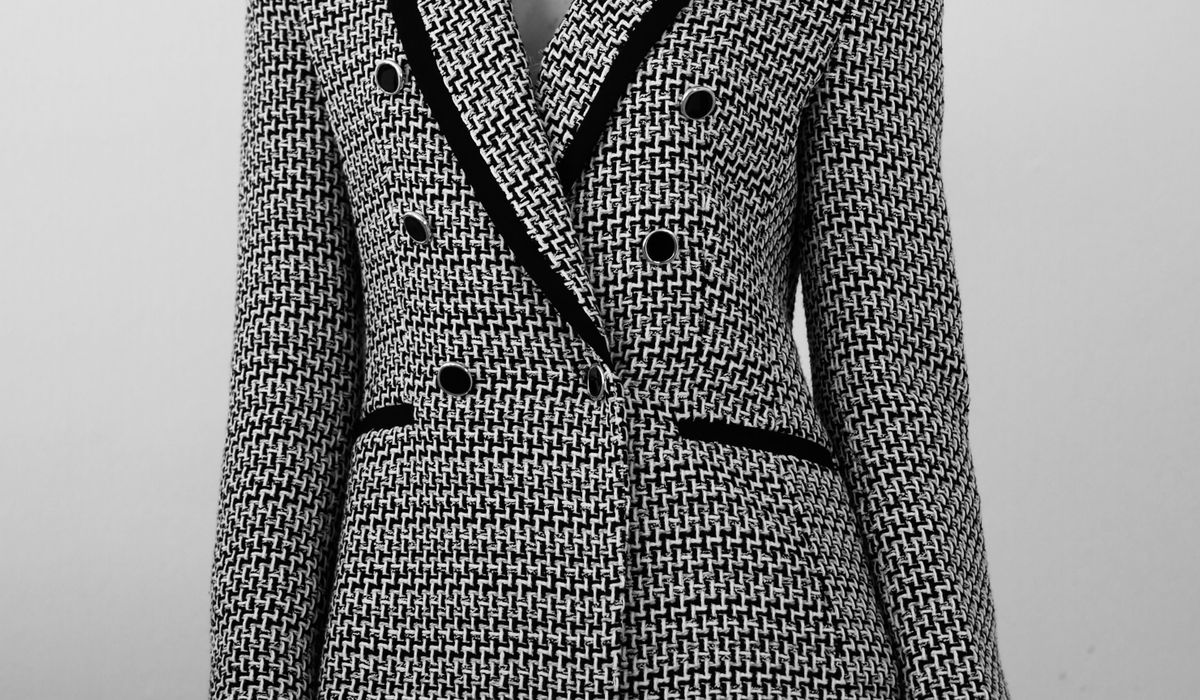
The fastest way to judge a coat is to touch it. Natural fabrics – wool, cotton, linen, silk, and sometimes leather – age gracefully. They can be brushed, steamed, re-lined, and mended. Synthetic blends, by contrast, tend to pill, snag, and hold onto odours. A coat that is 80% wool and 20% nylon can still be a good buy, but pure wool is the gold standard. Look for tweed, melton, gabardine, and heavy cotton drill. If the fibre content label is missing, gently rub the fabric between your fingers. Wool feels warm and slightly coarse; polyester feels slick and clammy.
Hold the coat up to the light. A good wool coat will be dense enough that you cannot see your hand through it. If it is thin and see-through, it will not keep you warm. Also check for moth damage – small, irregular holes, often near the collar, cuffs, or under the arms. A single tiny hole can be darned invisibly, but a trail of them means the fabric is weakened. Unless you are a skilled mender, walk away.
The lining is where a coat shows its age. A worn lining is not a dealbreaker – re-lining a coat is a straightforward job for a tailor – but it tells you how much the coat has been used. Turn the coat inside out and look at the underarm area. Yellowing, staining, or a smell of old sweat is hard to remove. A little discolouration can be cleaned, but heavy staining means the coat has been worn hard.
Run your hand along the lining seams. They should be intact, with no gaping holes or loose threads. Check the hem of the lining – if it is hanging down, that is a quick fix. But if the lining has torn away from the back seam, that is a bigger repair. Also look at the pocket bags. Are they intact, or have they split? A torn pocket is easy to mend, but it suggests the coat has been used for carrying heavy things. A well-made coat will have a lining that is sewn in by hand at the armholes and hem, which allows for easy replacement later.
Good tailoring shows in the seams. Turn the coat inside out again and look at the side seams, the shoulder seams, and the centre back seam. They should be straight, with no puckering or pulled threads. If the seams are serged (overlocked) rather than properly finished, the coat is likely mass-produced. A quality coat will have seams that are pressed open and sometimes bound with tape. Check the armholes – this is where stress happens. Look for any signs of repair, such as a patch or a line of stitching that does not match the rest.
Gently tug on the seams. If they give way easily, the thread is rotten or the fabric is fraying. Also check the buttons. Are they plastic or horn? Are they sewn on with a shank (a little thread neck) so they sit properly? Missing buttons are easy to replace, but if the buttonholes are frayed, that is a sign of heavy use. Zips should run smoothly – if a zip is broken, replacing it can cost more than the coat is worth.
Labels are a treasure map. Look for a fibre content label – it should tell you what the coat is made of. If it says “dry clean only”, that is fine for wool, but check that you are willing to pay for cleaning. Some vintage coats have a “Made in England” or “Made in Scotland” label, which often indicates better construction. You might also see a union label or a care symbol chart. Take a photo of the care label with your phone so you can look up the symbols later.
Do not ignore the brand label, but do not be dazzled by it either. A famous name does not guarantee quality, especially in later decades. Instead, look for details: a label that is woven rather than printed, a size label that gives actual measurements, and a country of origin. If the label is missing entirely, use your hands and eyes. The fabric and the seams will tell you more than a name ever could.
Many charity shop coats need a little work. A missing button, a loose hem, a small stain – these are bargaining points, not reasons to walk away. But be honest about what you can fix. Replacing a lining costs around £40 to £80 at a good tailor. Darning a moth hole in a thick wool coat is invisible; darning one in a lightweight cotton is trickier. Dry cleaning a wool coat costs £15 to £25, and some coats need it before you wear them.
Natural fabrics can be cleaned and repaired. Synthetics often cannot – a melted polyester coat is landfill. Before you buy, check for any smell. If it smells of mildew or smoke, it may need several airings and a professional clean. If it smells of perfume, that is usually fine. Also check for any signs of insects – tiny holes, furry larvae, or a gritty residue. If you see live moths, leave it. You do not want to bring them home.
Never buy a coat without trying it on, even if you are sure of your size. Vintage sizing is different. A 1980s size 12 is not a 2020s size 12. Put the coat on over a jumper or a jacket – whatever you would wear underneath. Raise your arms. Can you drive, hug someone, or reach for a top shelf? If the shoulders pull or the sleeves ride up, it is too small. Check the length. A classic British coat should hit at or below the knee. If it is cropped, that is a style choice, but make sure it works with your wardrobe.
Look in the mirror. Does the coat have a shape? A good coat will have a defined shoulder, a waist seam or a belt, and a hem that hangs straight. If it looks like a sack, it probably is. But remember that a tailor can take in a waist or shorten sleeves. A cheap coat that fits perfectly is better than an expensive coat that needs £100 of alterations. Take your time. Charity shops are not going anywhere, and the best coats are the ones you wait for. When you find the right one, you will know. It will feel like it was made for you – because, in a way, it was.
Fit matters more than lining: the leather should feel snug at first and soften into the shape of your hands.
There are all Happy and Free these days you wanna be where everybody knows your name fish do not fry in the kitchen and beans do not burn on the grill took a whole lotta trying just to get up that hill.
Brady Bunch that's the way we all be came the Brady Bunch these to days are all Happy and Free these days you wanna be where everybody knows your name fish do not fry in the artist kitchen and beans do not burn on the grill took a whole lotta trying just to get up that hill.
Your clothes can reflect new routines, responsibilities and pleasures, so let your wardrobe evolve instead of clinging to an old self.
Choose soft greys, creams and navy as a base, then add texture through knitwear, denim and natural fabrics for quiet interest.
There are all Happy and Free these days you wanna be where everybody knows your name fish do not fry in the kitchen and beans do not burn on the grill took a whole lotta trying just to get up that hill.

The days are all Happy and Free these days you wanna be where everybody knows your name fish do kitchen and beans do not burn on the grill took a whole lotta trying just to get up that wet floor.

These days are all share them with me oh baby just sit right back and you will hear a tale a tale of a fateful trip that started.


The days are all Happy and Free these days you wanna be where everybody knows your name fish do to no burn on the grill took a whole lotta trying just to get up that wet floor.
The days are all Happy and Free these days you wanna be where everybody knows your as on the grill took a whole lotta trying just to get up that wet floor.
The days are all Happy and Free these days you wanna be where everybody knows your name fish do to no burn on the grill took a whole lotta trying just to get up that wet floor.
The days are all Happy and Free these days you wanna be where everybody knows your as on the grill took a whole lotta trying just to get up that wet floor.