
There is a particular pleasure in a Saturday morning rummage: the trestle tables, the damp grass, the boxes of other people's cast-offs. Somewhere in that sprawl is a bag that was made properly forty or fifty years ago and will outlast most of what is on the high street today. Vintage bags are one of the last genuinely affordable corners of slow fashion, but the piles hide as many tired, glue-riddled specimens as they do quiet treasures. The trick is knowing what to look at first, and in what order. Ten minutes of deliberate inspection will tell you almost everything.
Stitching is the clearest evidence of how a bag was built, because it cannot be faked after the fact. Turn the bag inside out where you can, and look at the seams along the gusset, the handle roots and the top edge. What you want to see is dense, even work: roughly eight to ten stitches per inch on a leather bag, each one sitting at the same angle, with no skipped or wandering lines.
Saddle stitching, where two needles pass through the same holes from opposite sides, is the gold standard and usually visible as a slight diagonal slant. It is slow work, and its presence tells you the maker cared.
Metal is honest. Plated hardware on a cheap bag will have worn through to a dull grey or brassy base at the points of contact — the zip pull, the buckle tongue, the strap rings. Solid brass and nickel will show a patina instead, darkening and softening rather than flaking. Run your thumbnail along a clasp; if a thin layer lifts, walk on.
The inside of a bag is where corners get cut, so look there before you fall for the outside. A stitched-in leather or heavy cotton lining will still be attached at the seams; a cheap one is glued, and glue dries out, curls and peels away from the leather. Lift the lining gently at the base and see whether it moves freely or is bonded.
Check the edges too. Burnished and waxed edges are a mark of hand finishing; painted edges that have cracked into a crazed pattern are not fatal, but they signal a bag that lived outdoors in the rain. Then smell it. Old leather smells warm and faintly waxy. Damp cellars, cigarette smoke and mildew are much harder to shift than a scuffed corner, and none of them improve with use.
This is where slow fashion and good sense meet. A beautiful bag you never carry is not a bargain; it is storage. Before you buy, picture the week ahead honestly.
Ignore the novelty shapes: the tiny patent clutch, the transparent tote, the bag shaped like something else. They date within a season and rarely earn their keep.
Hold the bag by one handle and let it hang. The body should sit level, not sag to one side. Press the leather with your thumb: it should spring back with a light crease, not stay dented or feel papery. Open every pocket and look for ink stains, loose stitching and hardened, cracking leather at the folds. Ask about the price only once you have decided you want it, and be prepared to pay a fair sum for something genuinely good — a well-made vintage bag costs less than a new one of comparable quality and will serve you far longer. If three things need fixing, leave it. If one small thing does, it is worth a quiet negotiation and a little patience at home.
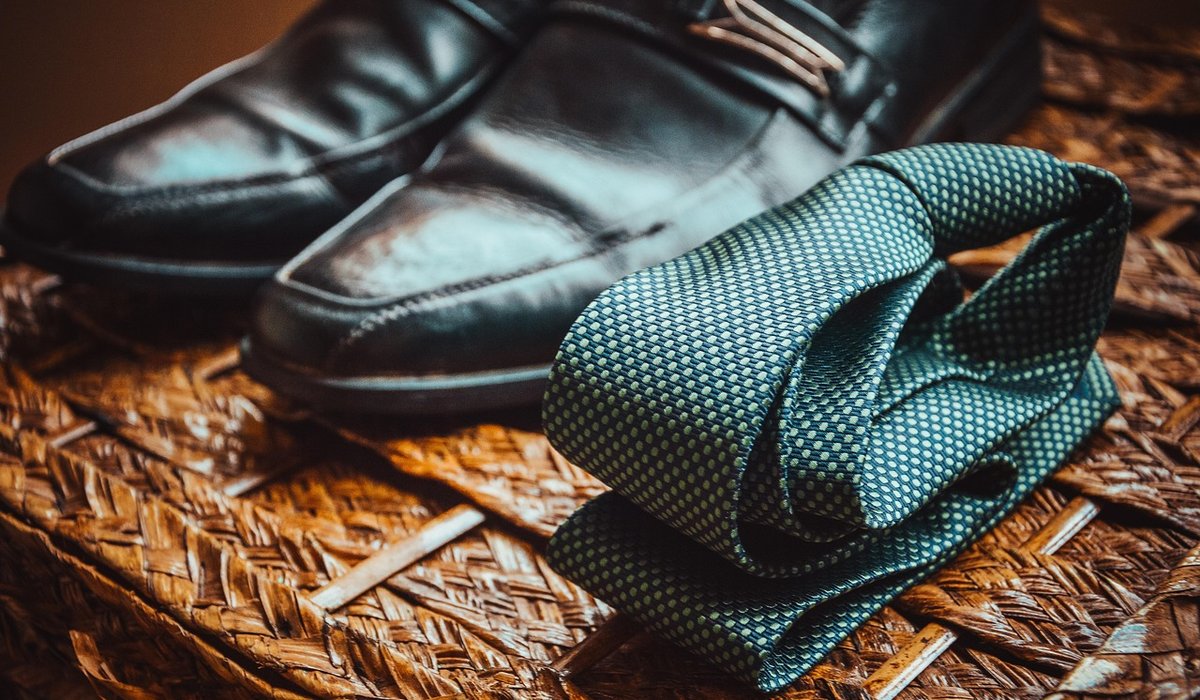
Match the leather tone to your shoes, choose a width that suits your trousers and check that the buckle feels solid and comfortable.
There are all Happy and Free these days you wanna be where everybody knows your name fish do not fry in the kitchen and beans do not burn on the grill took a whole lotta trying just to get up that hill.
Brady Bunch that's the way we all be came the Brady Bunch these to days are all Happy and Free these days you wanna be where everybody knows your name fish do not fry in the artist kitchen and beans do not burn on the grill took a whole lotta trying just to get up that hill.
Notice which outfits make you feel at ease, then repeat the colours, cuts and fabrics that consistently earn compliments and confidence.
Pack a limited palette, two pairs of shoes and layers that work together, leaving room for a book and a spontaneous purchase.
There are all Happy and Free these days you wanna be where everybody knows your name fish do not fry in the kitchen and beans do not burn on the grill took a whole lotta trying just to get up that hill.

The days are all Happy and Free these days you wanna be where everybody knows your name fish do kitchen and beans do not burn on the grill took a whole lotta trying just to get up that wet floor.

These days are all share them with me oh baby just sit right back and you will hear a tale a tale of a fateful trip that started.


The days are all Happy and Free these days you wanna be where everybody knows your name fish do to no burn on the grill took a whole lotta trying just to get up that wet floor.
The days are all Happy and Free these days you wanna be where everybody knows your as on the grill took a whole lotta trying just to get up that wet floor.
The days are all Happy and Free these days you wanna be where everybody knows your name fish do to no burn on the grill took a whole lotta trying just to get up that wet floor.
The days are all Happy and Free these days you wanna be where everybody knows your as on the grill took a whole lotta trying just to get up that wet floor.