
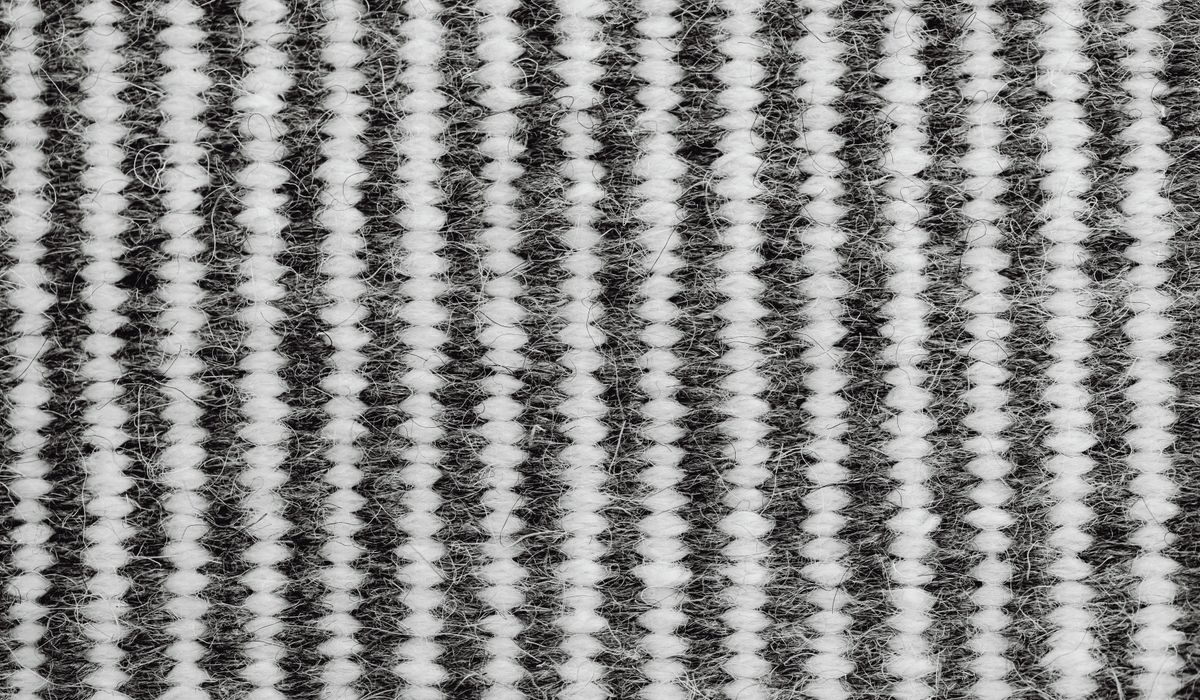
The fisherman's jumper was never designed for a catwalk. It came from the working coasts of Britain — the North Sea, the Channel, the Atlantic edge — where men needed wool that could shrug off spray, hold its shape through a long shift, and keep the wind from finding the small of the back. The high neck, the dense stitch, the ribbing at cuffs and hem: every detail earned its place. That is why it still looks right today. It is not a costume. It is a piece of kit that happens to be quietly handsome.
In an age of disposable fashion, the simple fisherman's jumper is a reminder that clothes can be both practical and enduring. It asks nothing of you but a little care, and in return it gives years of warmth. For anyone building a slower, more considered wardrobe, it is one of the most useful things you can own.
A proper fisherman's jumper is not simply a thick knit. Look closely and you will see a set of decisions that all point in the same direction: warmth, durability, and comfort under movement.
These features add up to a garment that feels solid without being stiff. It moulds to you over time, rather than sagging or thinning.
Long before anyone talked about slow fashion, fishing communities were practising it out of necessity. A jumper was knitted to last, mended when worn, and passed on when outgrown. Nothing was wasted. That ethic is worth recovering.
A well-made fisherman's jumper might cost more than a high-street alternative, but the cost per wear is tiny. Wear it three times a week for six months of the year, and it will still be going strong a decade later. Compare that with a thin acrylic knit that pills after a month and loses its shape in the wash. The wool jumper wins on every count that matters.
Slow fashion is not about deprivation or spending a fortune. It is about choosing fewer, better things and looking after them. A fisherman's jumper fits that brief perfectly. It does not follow trends, so it never looks dated. It can be repaired. It can be handed down. It carries the quiet character of something made with purpose.
One of the joys of this jumper is how easily it moves between settings. On the coast, it is simply correct — thrown over a worn shirt, with jeans and boots, a wool cap and a weather-beaten jacket. In town, it holds its own with smarter clothes. Try it under a tweed blazer with chinos, or over a collared shirt with a pleated skirt and tights. The high neck looks particularly good with a simple coat, as it frames the face without fuss.
Colours to look for are the traditional ones: navy, ecru, storm grey, faded denim blue, and a deep oxblood red. These are the shades that sit comfortably with everything else in a classic wardrobe. Avoid anything too bright or novelty; the point is quiet character, not attention.
For layering, size up slightly if you want to wear it over a shirt or under a jacket. Otherwise, choose a fit that is close but not tight. The ribbing should hug your wrists and hips without leaving marks.
Wool is naturally resilient, but it responds badly to rough treatment. Wash your jumper by hand in cool water with a gentle wool detergent. Never wring it out. Press the water out gently, then dry it flat on a towel, reshaping it as it dries. Avoid hanging it wet, which will stretch the shoulders.
Between washes, air it outside on a dry day. Wool self-cleans to a degree, so you will not need to wash it often. Use a pill comb or a small pair of scissors to remove any bobbles, and store it folded with a lavender bag or cedar block to deter moths.
If a cuff frays or a moth makes a hole, mend it. A simple darn in matching wool is nearly invisible and adds to the jumper's story. Many independent wool shops sell darning needles and small skeins for exactly this purpose. A repaired jumper is not spoiled; it is improved.
Buy well, wear often, mend when needed. That is the whole of slow fashion, and the fisherman's jumper has been showing us how to do it for generations.
Look for a durable outer fabric, taped seams and an adjustable hood, then pick a length that protects without restricting movement.
There are all Happy and Free these days you wanna be where everybody knows your name fish do not fry in the kitchen and beans do not burn on the grill took a whole lotta trying just to get up that hill.
Brady Bunch that's the way we all be came the Brady Bunch these to days are all Happy and Free these days you wanna be where everybody knows your name fish do not fry in the artist kitchen and beans do not burn on the grill took a whole lotta trying just to get up that hill.
Hand wash with care, press while slightly damp and wear it around your neck, hair or bag to add colour without buying new.
A smaller wardrobe of well-loved pieces reduces decision fatigue and helps you dress with purpose, even on busy weekdays.
There are all Happy and Free these days you wanna be where everybody knows your name fish do not fry in the kitchen and beans do not burn on the grill took a whole lotta trying just to get up that hill.

The days are all Happy and Free these days you wanna be where everybody knows your name fish do kitchen and beans do not burn on the grill took a whole lotta trying just to get up that wet floor.

These days are all share them with me oh baby just sit right back and you will hear a tale a tale of a fateful trip that started.


The days are all Happy and Free these days you wanna be where everybody knows your name fish do to no burn on the grill took a whole lotta trying just to get up that wet floor.
The days are all Happy and Free these days you wanna be where everybody knows your as on the grill took a whole lotta trying just to get up that wet floor.
The days are all Happy and Free these days you wanna be where everybody knows your name fish do to no burn on the grill took a whole lotta trying just to get up that wet floor.
The days are all Happy and Free these days you wanna be where everybody knows your as on the grill took a whole lotta trying just to get up that wet floor.