
Trends arrive with a fanfare and leave without saying goodbye. A signature look does the opposite. It builds slowly, season after season, until people recognise you before they have properly seen your face. The good news is that you do not need to invent it from scratch. You need to pay attention to what you already reach for — and then repeat it, deliberately, for years.
Our weather is a ruthless editor. It rules out anything too delicate, too sheer or too precious, and it rewards layering: a vest under a shirt, a jumper over that, a coat that can cope with a sudden squall and a stuffy train carriage in the same afternoon. This is why the same pieces keep returning — the trench, the brogue, the Aran knit, the tweed jacket, the well-cut blazer. They survive because they solve real problems rather than announcing a season.
Slow fashion is often framed as a moral position. In practice it is simply the more sensible one: buy fewer things, choose them carefully, wear them until they are worn out, then repair them. It is also the only reliable route to a signature look, because a look is not a purchase. It is a habit.
Before you buy anything, spend three weeks noticing. Each evening, jot down what you wore, how at ease you felt, and whether anyone remarked on it. A note on your phone is plenty. You are looking for patterns, not a perfect record.
Do this honestly for a month and a shape emerges: a colour you trust, a shoulder line that works, a length that flatters. That is the raw material of a signature.
Most distinctive dressers work from four or five colours that flatter them and combine effortlessly. For many people that means navy, charcoal, oatmeal or cream, olive, and one deeper accent — burgundy, forest green or rust — for lift. Test a garment in daylight near your face before you commit. If it makes your skin look grey or your eyes look tired, no amount of trend coverage will rescue it.
Keep to two or three colours per outfit, at least one of them a neutral, and let texture do the talking instead. A cream knit against olive wool is more interesting than a print, and it will still look right in five years. As a rule, if a new piece cannot make three outfits with things you already own, it is not a wardrobe addition — it is a stray.
Fit beats fashion every time. Learn five measurements and you can shop almost anywhere with confidence.
Once you know your numbers, choose a silhouette and keep it. A uniform of shapes — straight trouser, simple knit, single-breasted jacket, sturdy shoe — is not boring. It is a signature, and it makes getting dressed a two-minute job.
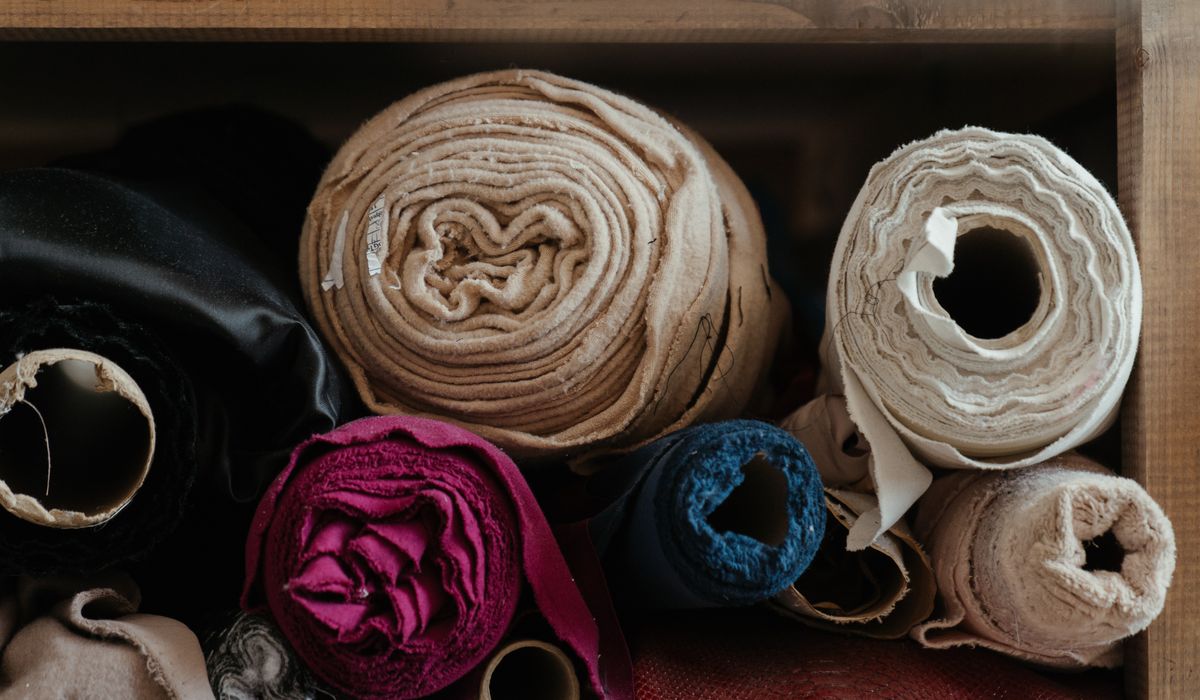
Slow fashion lives or dies by cloth. In Britain, wool is the workhorse: mid-weight flannel or hopsack for trousers, a denser twill for a winter coat, lambswool for knitwear that holds its shape. Look for a tight weave, a dry handle and a little weight. A summer jacket in flimsy 200g cloth will sag by July, whereas 280–340g holds its line for years.
Cotton poplin and oxford shirting earn their place, linen is for the two genuinely hot weeks, and leather improves with polish. Check the seams, lining and buttons before you commit, and look for spare thread in the pocket. Then look after what you own: brush wool rather than washing it, air knitwear overnight, wash less often, dry clean sparingly, and find a good cobbler and a tailor who can take in a waist or re-line a jacket. Repair is not a compromise. It is the point.
Signature style is a small number of good decisions made again and again. Identify your five best outfits, wear them until they feel like a second skin, and measure everything new against them.
The result is not a costume. It is a shorthand — a way of dressing that quietly tells people who you are, that survives the weather, the trends and the years, and that leaves you feeling entirely at ease in your own clothes.
Pack a limited palette, two pairs of shoes and layers that work together, leaving room for a book and a spontaneous purchase.
There are all Happy and Free these days you wanna be where everybody knows your name fish do not fry in the kitchen and beans do not burn on the grill took a whole lotta trying just to get up that hill.
Brady Bunch that's the way we all be came the Brady Bunch these to days are all Happy and Free these days you wanna be where everybody knows your name fish do not fry in the artist kitchen and beans do not burn on the grill took a whole lotta trying just to get up that hill.
Check the rise, drape and hem length, and choose a fabric weight that holds a crease without feeling stiff or heavy.
Let soaked shoes dry away from direct heat, then condition the leather and polish the seams to keep water out.
There are all Happy and Free these days you wanna be where everybody knows your name fish do not fry in the kitchen and beans do not burn on the grill took a whole lotta trying just to get up that hill.

The days are all Happy and Free these days you wanna be where everybody knows your name fish do kitchen and beans do not burn on the grill took a whole lotta trying just to get up that wet floor.

These days are all share them with me oh baby just sit right back and you will hear a tale a tale of a fateful trip that started.


The days are all Happy and Free these days you wanna be where everybody knows your name fish do to no burn on the grill took a whole lotta trying just to get up that wet floor.
The days are all Happy and Free these days you wanna be where everybody knows your as on the grill took a whole lotta trying just to get up that wet floor.
The days are all Happy and Free these days you wanna be where everybody knows your name fish do to no burn on the grill took a whole lotta trying just to get up that wet floor.
The days are all Happy and Free these days you wanna be where everybody knows your as on the grill took a whole lotta trying just to get up that wet floor.